Affordability and Child Care Take Center Stage at POLITICO Economy Summit
You can’t talk about affordability in America without talking about child care
“Affordability” has quickly become the defining economic theme of 2026, especially as families look ahead to the midterm elections. Across the country, the rising cost of daily life is putting pressure on household budgets, and for parents of young children, child care stands out as one of the most significant and unavoidable expenses.
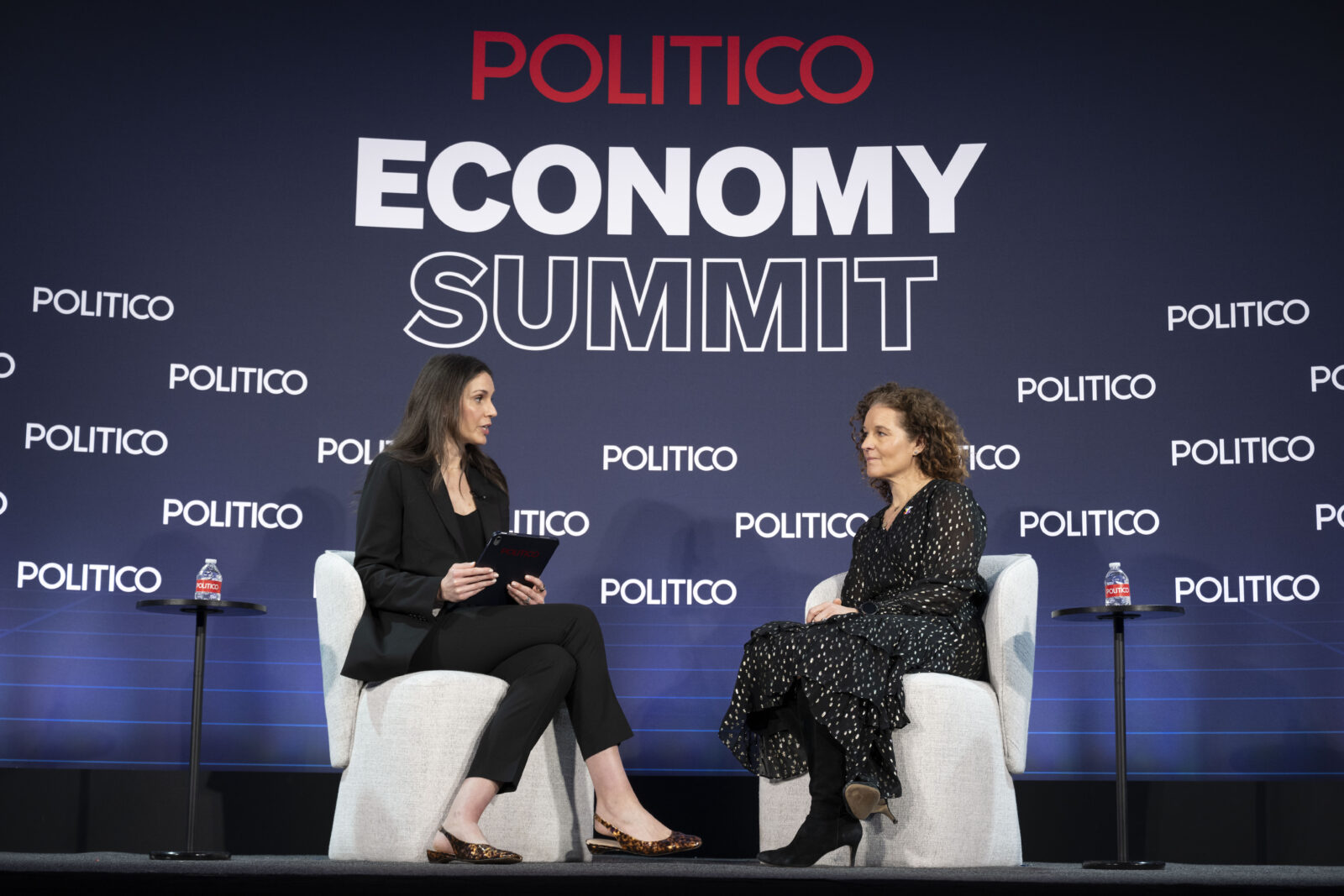
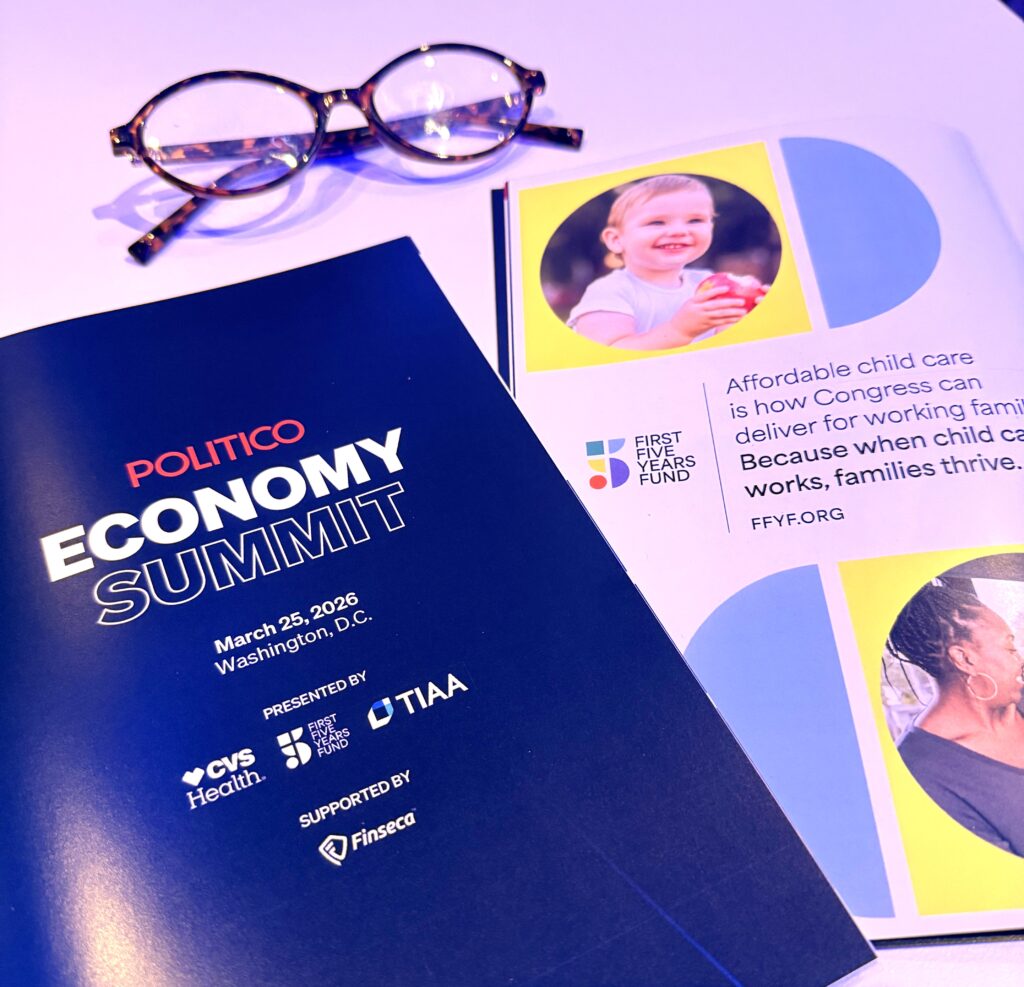
First Five Years Fund joined policymakers, journalists, and economic leaders at POLITICO’s Economy Summit to elevate a message that’s impossible to ignore: child care is central to the affordability conversation, and to the economy.
Here are our First Five Favorite Moments from the conversation:
1. Child care was front and center in the affordability debate
“Affordability anxiety” is shaping how families—and policymakers—are thinking about the economy in 2026. Throughout the summit, bipartisan Members of Congress, reporters, and experts emphasized that child care is one of the largest expenses families face—and one they simply can’t avoid. Just as important: voters are looking for solutions.
2. Bipartisan leaders are hearing the same thing from families
Lawmakers from both parties made clear that child care is consistently coming up in conversations back home.
- Senator Mark Warner (D-VA) put it plainly: “I hear about housing and child care as two of the biggest issues in this country.”
- Congressman Brian Fitzpatrick (R-PA) echoed the concern: “There’s no question that when you look at inflation and what’s driving family budgets, health care and child care stand out as the two fastest-growing expenses as a share of household costs.”
3. Child care is an economic issue, not just a family issue
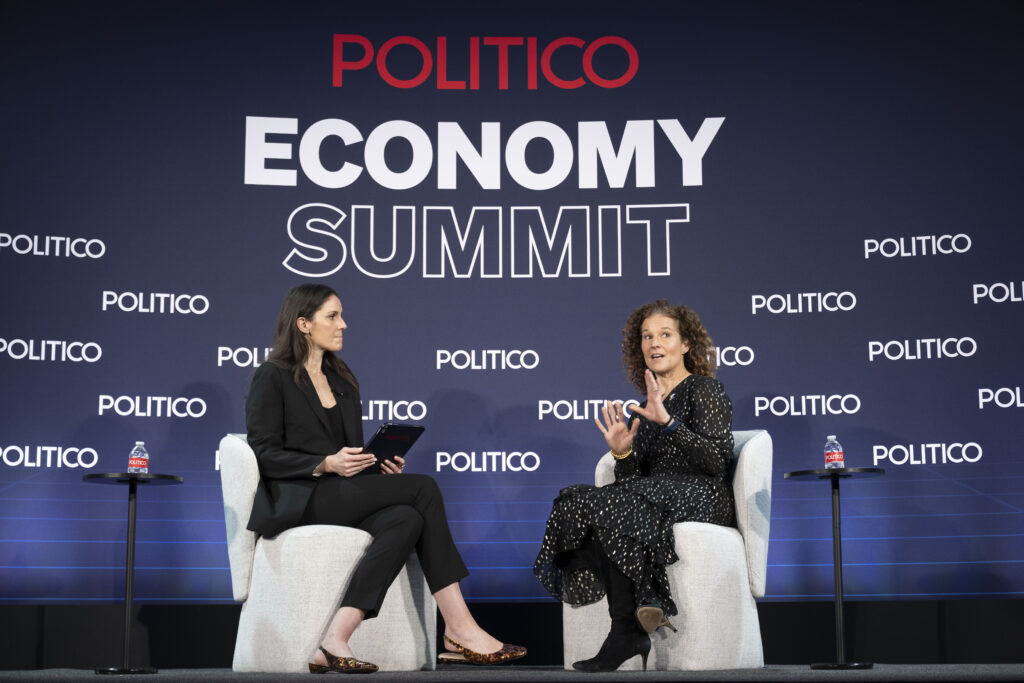
During the discussion, FFYF’s Sarah Rittling underscored that when child care is unaffordable or unavailable, it doesn’t just affect families — it affects businesses, workforce participation, and the broader economy. As she told the room:
“There’s a clear through line here—from the strain on families, to the strain on businesses, to the impact on the broader economy. Child care isn’t just a ‘me’ problem, it’s a ‘we’ problem—and it’s costing about $172 billion a year in lost wages and productivity.”
4. The affordability debate is creating rare bipartisan alignment
Child care is emerging as one of the few issues where leaders across the aisle are finding common ground.
In a recent Politico piece, FFYF highlighted how this growing consensus creates a real opportunity for Congress to advance meaningful solutions for families.
- Tom Suozzi reinforced the importance of working together: “We can’t solve problems just by yelling and screaming at each other. We need people talking to each other and finding common ground.”
5. The takeaway: child care is a core part of the affordability agenda
With costs averaging more than $1,000 a month per child, child care is a major driver of financial stress for working families, and a key factor in whether parents can stay in the workforce. At the same time, voters across party lines recognize the urgency:
At the same time, voters across party lines recognize the urgency:
- 80% say finding affordable child care is a major problem or crisis
- 82% support federal investments to help lower costs
- 74% say child care funding is a good use of tax dollars
As leaders look for ways to address rising costs—from housing to groceries—child care stands out as a clear, bipartisan opportunity to deliver real relief for families and strengthen the economy.
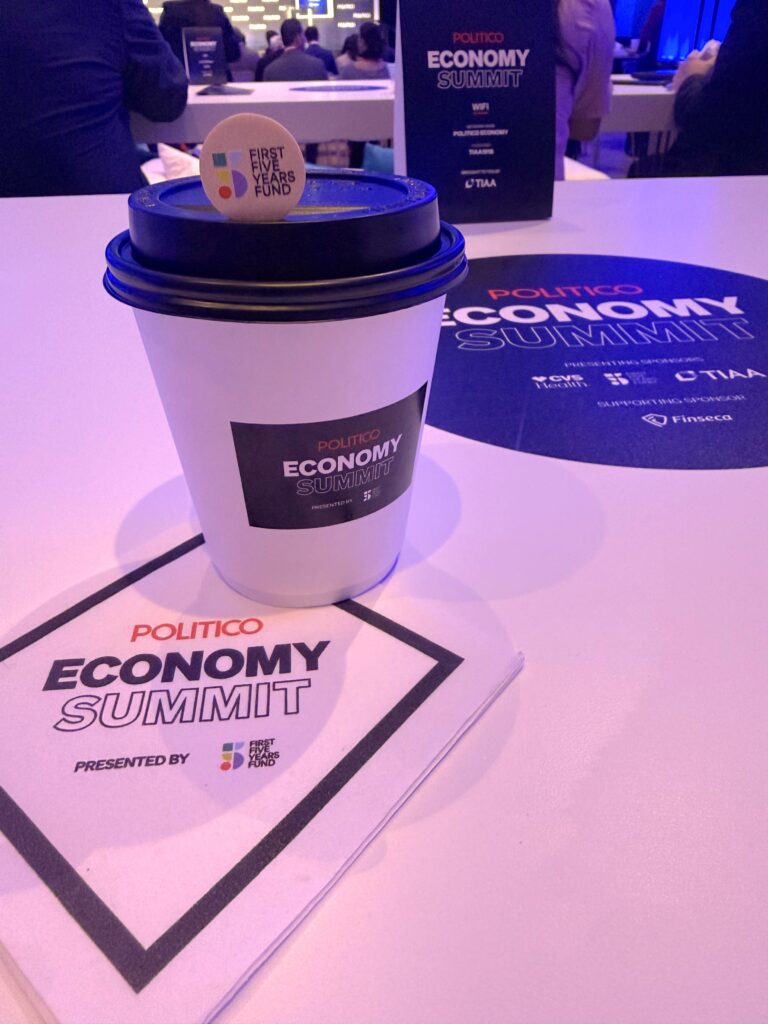
(And yes—we loved the adorable coffee toppers, too.)
Subscribe to FFYF First Look
Every morning, FFYF reports on the latest child care & early learning news from across the country. Subscribe and take 5 minutes to know what's happening in early childhood education.
Related

First Five Things To Know About: The SEED Act
Early childhood educators play a critical role in supporting children’s development and enabling parents to work. To ensure young learners can succeed, many use their own money to buy necessary …

FFYF Letter to the Ways and Means Committee in Support of the SEED Act
FFYF sent the following letter in support of the Supporting Early-childhood Educators’ Deductions (SEED) Act to the Committee on Ways and Means Chairman Jason Smith and Ranking Member Richard Neal. …

POLITICO: Child Care Costs Are Driving the Affordability Debate in 2026
How rising expenses are putting pressure on families and shaping policy discussions across party lines By: Sarah Rittling “Affordability” has become the defining economic theme of 2026. As families look …