The First Five Things to Know: Appropriations FY27

Each year, Congress determines funding levels for all federal programs, including those that support the care and education of young children as part of the annual Appropriations process, including:
- Child Care and Development Block Grant (CCDBG): The largest source of federal funding for child care. Congress sets funding levels; states have flexibility in how funds support families and providers in their communities.
- Early Head Start/Head Start: Delivers comprehensive early learning, health, nutrition, and family support services for eligible children and their families.
- Preschool Development Grant Birth through Five (PDG B-5): Help states strengthen, align, and expand their early learning systems.
This investment becomes the foundation of child care and early learning in our nation.
Here are the first five things to know about Fiscal Year 2027 Appropriations:

Millions of hard-working American families struggle to find and afford the quality child care they need. Two thirds of all children ages five and younger need some form of child care because all of their available parents are working. For these families, child care is one of their largest household expenses – the average annual cost of child care for one child exceeds $13,000 a year.
Federal funding provides the foundation for early learning and child care programs. These programs support families in all 50 states and every Congressional district. Annually, nearly $31.30 billion in federal mandatory and discretionary funds support early care and education for children birth to five, compared to $15.36 billion in from states.
Funding for these programs has strong bipartisan support in Congress. Each year, Members of Congress submit “Dear Colleague” letters to leaders of the House Appropriations Committee expressing support for program funding. For FY27, nearly every letter saw record levels of backing from both Democrats and Republicans.

Funding for these programs has strong bipartisan support among voters. In a January 2026 poll, nearly three out of four voters (74%) say federal funding for child care and early learning is a good use of tax dollars, including 53% of Republicans, 77% of Independents, and 93% of Democrats.

Congress will be making funding decisions for FY27 over the next few months. The Spending bills for child care and early learning programs are overseen in the House and Senate by Appropriators on the Labor-Health and Human Services-Education and Related Agencies subcommittees (or “Labor-H”). A coalition of 89 child care and early learning community has submitted a letter to these Appropriators calling for funding levels including:
- PDG B-5: At least $315 million
- CCDBG: $3.57 billion, for a total of at least $12.4 billion
- Early Head Start/Head Start: Increase of at least $1.91 billion for a total of at least $14.27 billion
Bottom Line
Investing in federal child care programs is good policy. Making child care more affordable and accessible for families not only provides young children with vital opportunities to learn and grow, it also strengthens family finances, supports a thriving workforce, and fuels our national economy.
Learn More
- FY27 Dear Colleage Letter Recap!: An overview of the FY27 Dear Colleague letters with statistics on number of signers.
- ABCs of Federal Early Learning Programs: Contains an overview of each of the federally funded early learning and care programs.
- Federal Funding is Foundational: The federal government provides the majority of public funding needed to undergird the child care in the United States.
Take Action
Urge Congress to protect, prioritize, and expand federal funding for child care and early learning programs with these handy tools.
Print Version
Subscribe to FFYF First Look
Every morning, FFYF reports on the latest child care & early learning news from across the country. Subscribe and take 5 minutes to know what's happening in early childhood education.
Related

Lawmakers Show Record Support for Child Care and Early Learning Programs
An overview of the FY27 Dear Colleague letters with statistics on number of signers.

TOOLKIT: FY27 Appropriations
Congress: Please sign on to “Dear Colleague” letters to show your support for early learning and child care funding. These letters build momentum for programs like Head Start, CCDBG, and PDG B-5
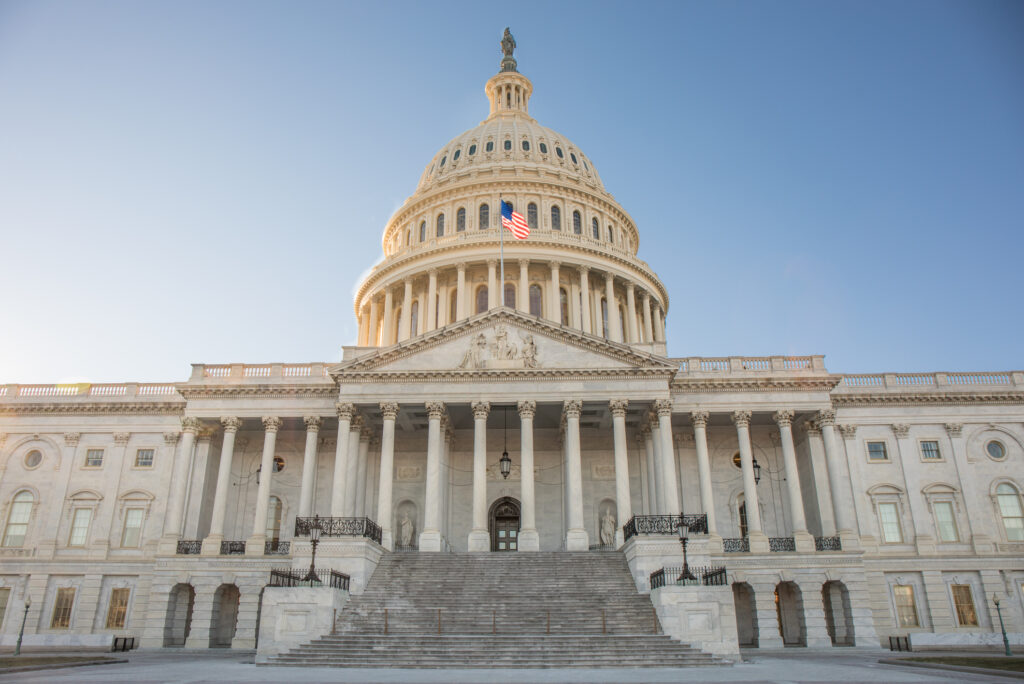
FFYF Capsule Collection: Fiscal Year 2027 Appropriations
A one-stop-shop collection of the top facts, resources, and data around the FY27 Appropriations process.