Child Care is an Affordability Issue
For families around the country, money feels tight, and the cost of daily life has become harder to manage. This “affordability anxiety” is particularly high for parents of young children, where child care consistently stands out as one of the most significant and unavoidable expenses—competing directly with groceries, rent, health care, and other essentials. Rising costs shape decisions about whether parents can work, how many hours they can work, and even whether it makes financial sense to have another child.
Congress can address this directly by prioritizing federal child care programs, like the Child Care & Development Block Grant, Head Start, and child care tax credits. These effective programs help families keep more money in their pockets. They help parents stay in the workforce, support healthy child development, and strengthen household and economic stability.

By the Numbers
Two-thirds of children ages 5 and under in the United States today may need a form of child care because their parents work. The high cost of care shapes not just family budgets, but also workforce participation and broader economic stability.
Child care prices rose 29% between 2020 and 2024 due to increased operational costs and competing wages from other service sectors, or +7% more than the rise overall prices for other goods and services.
Average cost of child care is +$13,000 a year (+$1,000 a month). View state averages.
With CCDBG, the average child care copay drops to $3,400 a year ($284 a month). View state copay averages.
Polling
- July 2026 Poll
- 82% of voters say the cost of child care is a part of the affordability crisis
- Nearly 40% of all voters say their ability to work is affected by coworkers’ child care challenges.
- 63% of voters support the Child Care Modernization Act with strong bipartisan support
- January 2026 Poll
- Affordability is the dominant issue for voters: Voters ranked affordability as a top concern, ahead of jobs and the economy.
- Child care as an affordability issue: 80% of voters say the inability of working parents to find affordable child care is a “state of crisis” or a “major problem,” including 65% of Republicans, 81% of Independents, and 94% of Democrats.
- Federal child care funding seen as a solution: 82% of voters say federal funding for child care programs will help lower costs for working families, including 69% of Republicans, 84% of Independents, and 94% of Democrats.
Essential Reading
Resources

TOOLKIT: Address the Affordability Crisis by Supporting Child Care
Tools you can use highlight and share with your network why child care sits at the center of the affordability conversation.
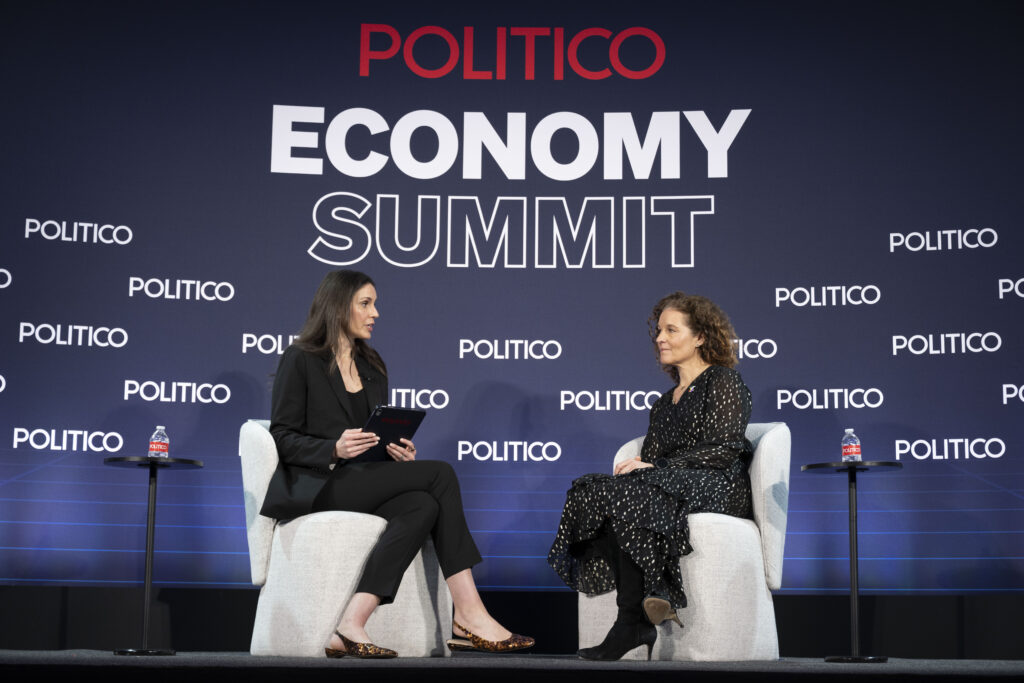
Affordability and Child Care Take Center Stage at POLITICO Economy Summit
FFYF joined policymakers, journalists, and economic leaders at POLITICO’s Economy Summit to share why child care is central to the affordability conversation.

July 2026 National Child Care Poll
A new national survey finds that families see child care as a key driver of the nation’s affordability challenges and believe policymakers should take action to make child care more …

The Cost of Raising a Child Tops $300K, and Child Care Is a Major Driver
A new analysis from LendingTree finds the cost of raising a child in the U.S. now exceeds $300,000 over 18 years, highlighting the enormous financial pressure families face.
Media
Analysis: Raising a Child in U.S. Now Costs More Than $300,000
CNN | April 18, 2026
Parents are Cutting Back on Child Care as Costs Stretch Budgets
Politico | March 24, 2026
Why Does Child Care Seem Less Affordable Than Ever?
New York Times | March 5, 2026
What you can do
Share this toolkit and urge your Members of Congress to talk about child care and affordability when they’re in district.