The First Five Things to Know About: MIECHV

The Maternal, Infant, and Early Childhood Home Visiting (MIECHV) program helps connect parents and families who have limited support and resources with trained professionals – including nurses, social workers, and educators – who provide voluntary, one-on-one support from pregnancy through kindergarten. Operating in all 50 states, the District of Columbia, U.S. territories, and tribal communities, MIECHV is built on a federal-state partnership that puts decision-making in local hands.
By building parents’ skills and confidence while directly supporting child development, MIECHV operates as an evidence-based, two-generation program, investing in parents and children together to create a strong foundation for both.
Here are the First Five Things to know about MIECHV.

MIECHV brings expert support directly to families when they need it most.
MIECHV connects pregnant women and parents of young children with trained home visitors who help them build parenting skills, support healthy child development, and access other resources – things like WIC, Medicaid, employment and educational supports, and housing assistance. Families develop strong relationships and trust with their home visitors, who meet with them regularly to address their needs. Participation is always voluntary.

MIECHV is built on evidence and results.
States and territories choose from a menu of home visiting models vetted through HHS’s Home Visiting Evidence of Effectiveness (HomVEE) review, meaning funded models have research evidence behind them, not just good intentions. This evidence-based design has been a key reason the program has sustained bipartisan support across multiple Congresses and administrations.

MIECHV supports families in every state.
Federally funded but state- and locally administered, MIECHV grants flow to states, territories, and tribal entities (and to nonprofits in places where a state or territory doesn’t apply), who select models and design programs to fit local needs. Tribal entities receive a dedicated set-aside of program funds, recognizing the importance of culturally responsive home visiting in Native communities.

MIECHV complements other early childhood investments.
MIECHV works alongside programs like Head Start, Child Care and Development Block Grant, and Medicaid/WIC rather than overlapping with them. Home visiting reaches families in their own homes, often starting prenatally, filling a gap that center-based programs often can’t address. For policymakers building a comprehensive early childhood system, MIECHV is a foundational, evidence-based piece.

The next step is ensuring MIECHV’s future.
Funding was substantially increased through 2027, but reauthorization is necessary. Congress reauthorized MIECHV in 2022 with strong bipartisan support through the Jackie Walorski Maternal and Child Home Visiting Reauthorization Act, which increased funding and established new procedures for FY2023-FY2027. To ensure continuity and build on the program’s success, Congress will need to reauthorize the program in 2027.
Bottom Line
MIECHV works. Home visiting meets families where they are – in their living rooms, during pregnancy, and in the earliest, highest-stakes years of a child’s life. Trained home visitors help parents navigate sleepless nights, developmental milestones, and connections to WIC, Medicaid, and other supports families may need to thrive. This is why MIECHV has earned support from Republicans and Democrats alike for over a decade.
Our Take
“It’s impossible to overstate the positive impacts MIECHV-funded home visiting has on communities – proven time and again to reduce maternal mortality and morbidity, strengthen infant and child health, and improve family well-being and stability.” – Sarah Rittling, Executive Director, First Five Years Fund
Learn More
- RESOURCES: First Five Years Fund MIECHV Resources
- FACT SHEETS: State-specific fact sheets on MIECHV
- VIDEO: Empowering Families: the Positive Impact of MIECHV
Print Version
Subscribe to FFYF First Look
Every morning, FFYF reports on the latest child care & early learning news from across the country. Subscribe and take 5 minutes to know what's happening in early childhood education.
Related
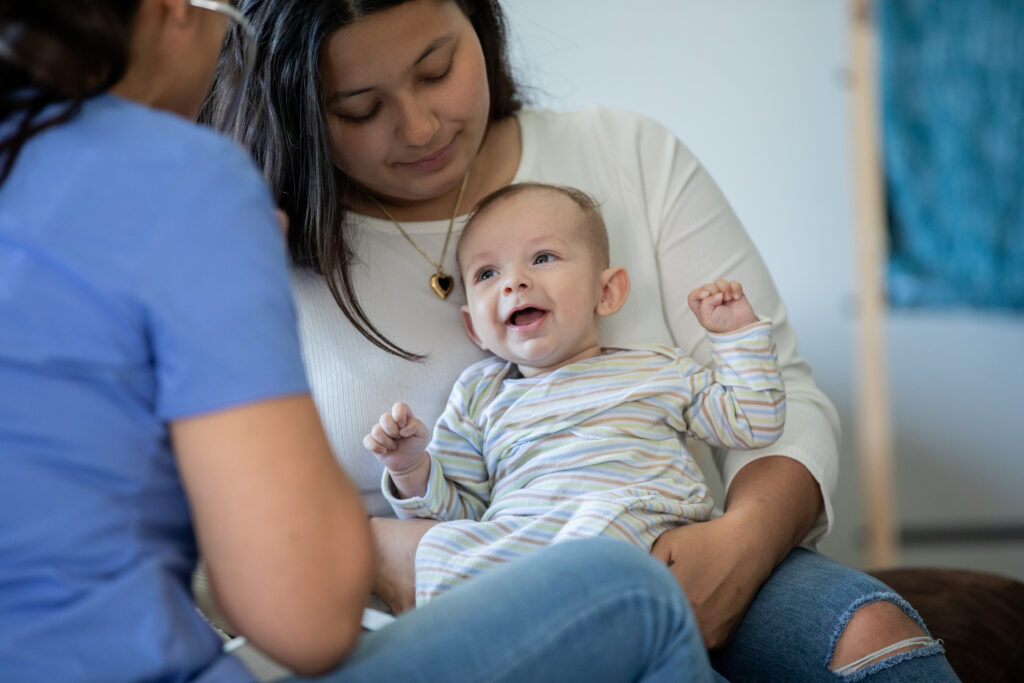
Making News: MIECHV Grants, 2026
MIECHV is making headlines! The Maternal, Infant, and Early Childhood Home Visiting (MIECHV) program provides federal funding to states to use to pair families with very young children with trained …
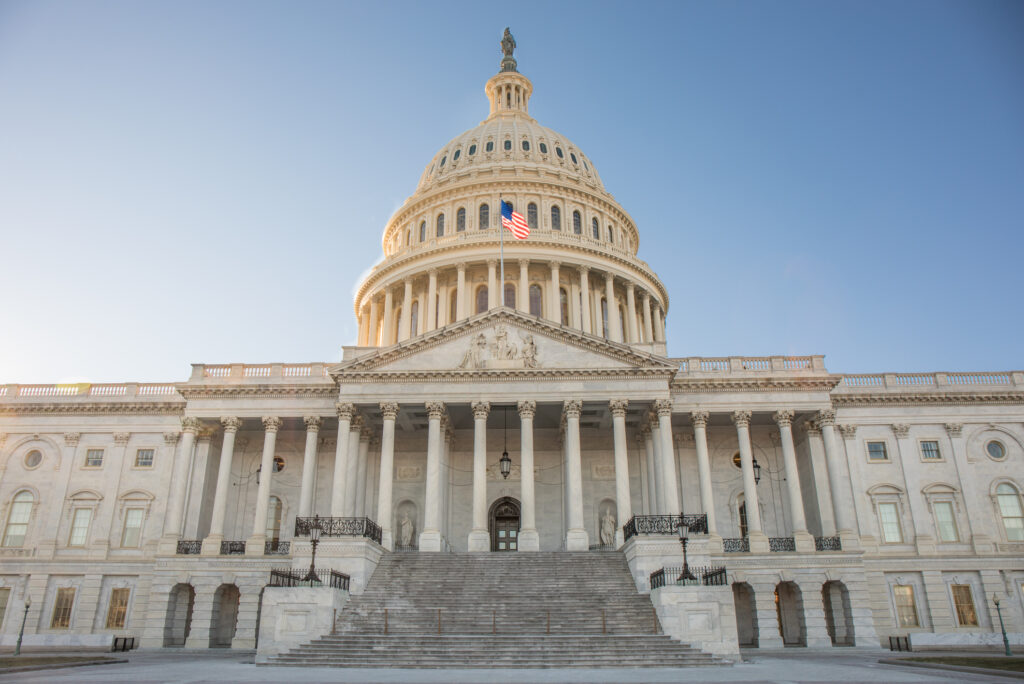
HEARING: House Ways & Means Committee Hearing Highlights Success of MIECHV Program
The House Ways & Means Subcommittee on Work and Welfare held a hearing to discuss the effectiveness of MIECHV and bipartisan support for reauthorization.

2026: ABCs of Federal Early Learning & Child Care Funding Streams
An overview of the top federal child care and early learning programs and how they are funded.