HEARING: House Ways & Means Committee Hearing Highlights Success of MIECHV Program
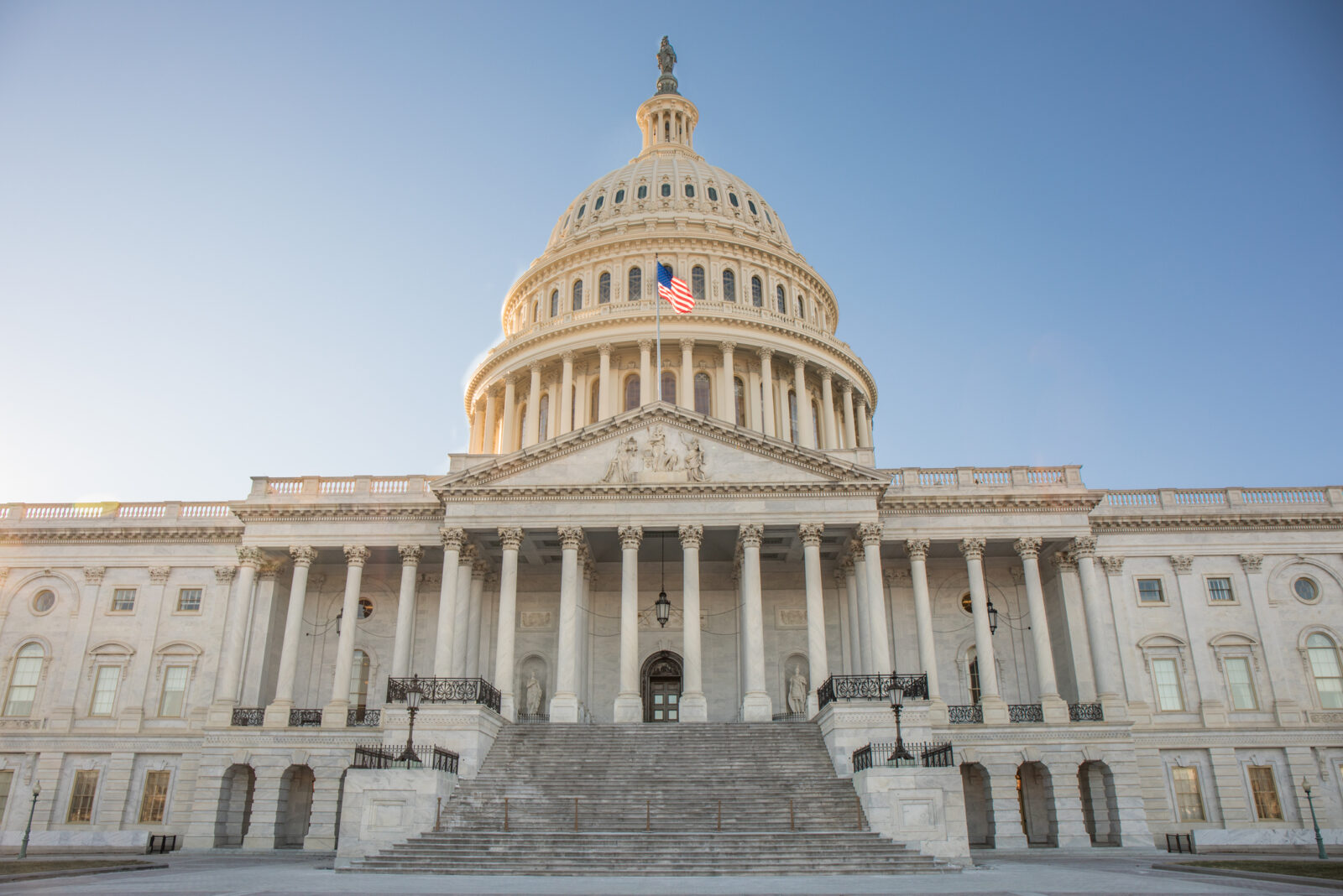
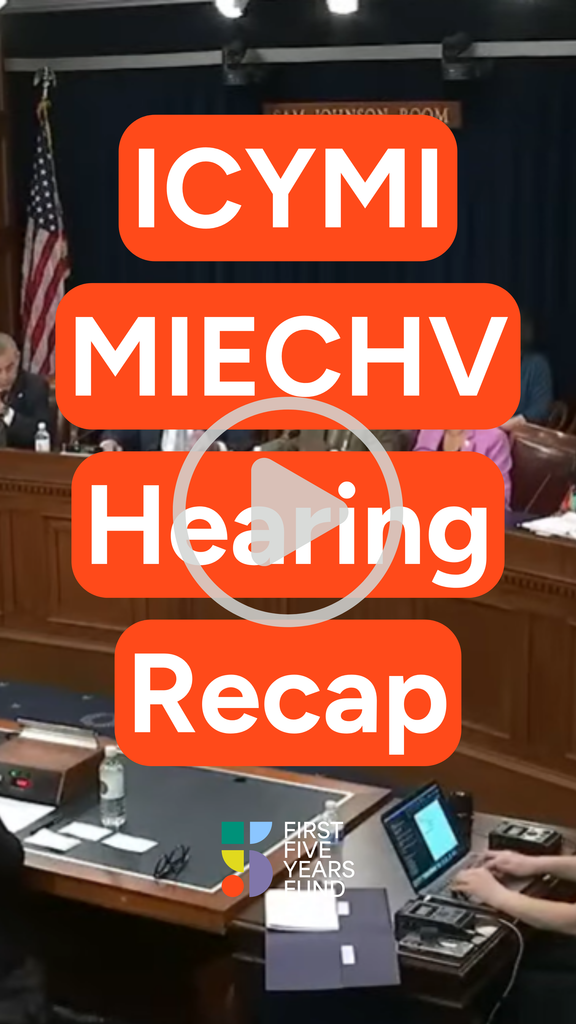
The House Ways & Means Subcommittee on Work and Welfare held a hearing on June 25, 2026 to discuss the effectiveness of MIECHV, the strong outcomes facilitated by the program’s update in 2022, and bipartisan support for reauthorization in 2027.
During the hearing, titled, “The Maternal, Infant, and Early Childhood Home Visiting (MIECHV) Program: Early Support, Lifelong Impact,” Congressmembers emphasized the ongoing success of the MIECHV program, its strong foundation of evidence-based research and practices, and support for reauthorizing MIECHV next year.
In his opening remarks at the hearing, Subcommittee Chairman Darin LaHood (R-IL) stated that, “By supporting families prenatally until age five– a critical period for early childhood development– MIECHV is a preventative program. MIECHV is a program that gets results. The program builds upon decades of research, and proves home visits by a nurse, social worker, or other trained professional during pregnancy, and in the first years of a child’s life, help prevent child abuse and neglect, support positive parenting, improve maternal and child health, and promote child development and school readiness.” Chair LaHood framed this hearing as instructive for Members to hear about the effectiveness and results of MIECHV, in advance of the committee’s efforts to reauthorize the program.
Key topics highlighted by Members on both sides of aisle:
- The ongoing success of the MIECHV program, including its strong foundation of evidence-based practices and its long history of bipartisan support in Congress.
- The benefits of the most recent reauthorization of MIECHV in 2022, which has enabled the program to expand and provide services to more children and families nationwide.
- The value of home visitors and program administrators, who carry out MIECHV’s mission and strengthen the health, educational, and financial outcomes of families.
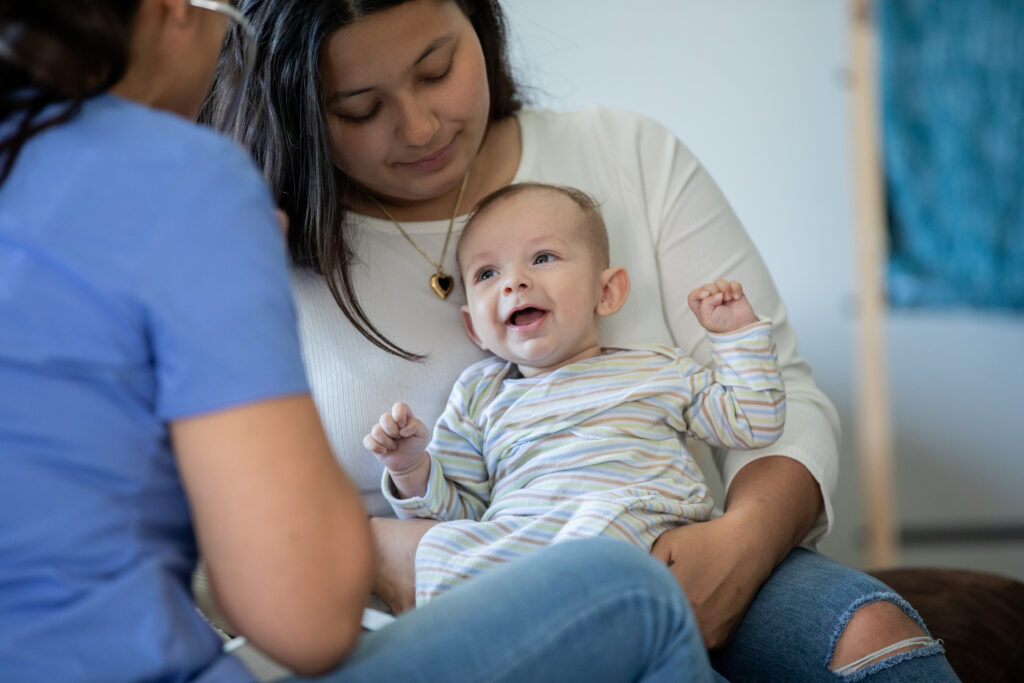
- MIECHV’s ability to provide services to families in rural and tribal areas, who are often the most difficult to reach.
- The committee members’ enthusiastic support for a bipartisan reauthorization of the program in 2027.
Witnesses included:
- Ms. Mendy Smith, MSW, Vice President, Early Childhood Services, Brightpoint, Bloomington, Illinois
- Ms. Shemya Wilson, MSW, LSW, Parent Ambassador, Changent, Columbus, Ohio
- Ms. Shawn Longoria, Program Director, Parents as Teacher, Community Healthcore, Longview, Texas
- Ms. Patricia West, MIECHV Program Director, Iowa Department of Health and Human Services, Kellerton, Iowa
- Dr. Paula Sorrell Seanez, Ph.D., Director, Department of Diné Education, Navajo Nation Growing in Beauty, Navajo Nation
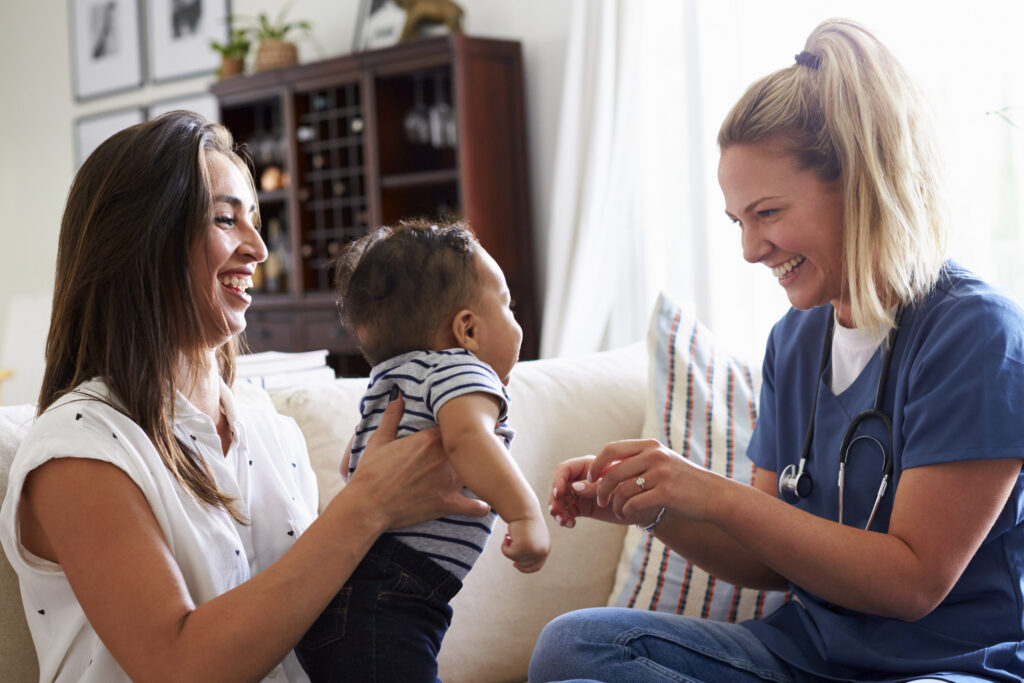
The nationwide MIECHV program provides voluntary, evidence-based home visiting services to expectant and parenting families who have limited support and resources. According to the Health Resources and Services Administration, during fiscal year 2025, MIECHV provided more than one million home visits and reached 158,000 children and parents. In September 2025, the U.S. Department of Health and Human Services released research finding that interactions between home visitors and families had statistically significant, long-term positive effects on maternal and family wellbeing.
During the hearing, Subcommittee Chairman LaHood, Subcommittee Ranking Member Danny Davis (D-IL), and Ways & Means Committee Chairman Jason Smith (R-MO) all underscored the importance of MIECHV and its essential place in supporting expectant mothers, new parents, and young children.
Ranking Member Davis began his remarks at the hearing by describing MIECHV as, “one of our most important tools to strengthen families and help babies and children.” Ranking Member Davis continued, “Home visiting has a kind of magic in helping children thrive. In particular, participants cite the powerful partnership fostered by the way home visitors respect parents and guide them with resources and tools to raise healthy, happy children. Home visiting has a special place in my heart.”
In addition, Chairman Smith noted that the community-based approach of MIECHV is central to its success. He stated, “the manner in which MIECHV delivers [services] by meeting families where they live, where they are raising their kids, ensures a more successful, more accountable program, and one that can reach more people in need.”
During the Q&A portion of the hearing, the witnesses emphasized the role of MIECHV in improving maternal and child health, strengthening the home visiting workforce, supporting parenting skills, expanding access to services in tribal and rural communities, and connecting families with additional social service programs. In addition, many of the witnesses discussed their personal experiences with receiving or providing services through MIECHV, and the short and long-term benefits of the program for participating families.
Additional members of the Ways & Means Committee used their question time to express their belief in the value and effectiveness of MIECHV, and their hope for a bipartisan reauthorization of the program next year.
Congressman Max Miller (R-OH) and Congressman Rudy Yakym (R-IN) both highlighted the evidence-based foundation of the program and its success in serving their constituents. Rep. Miller noted, “MIECHV works because it meets families where they are. Literally, trained professionals go into homes, build trust, screen for developmental delays, connect parents to resources, and help families get on a path towards stability. And the data backs this up.” Similarly, Rep. Yakym remarked, “MIECHV is a top priority for me… What sets MIECHV apart from other programs is that it’s evidence-based. That means that the methods and approaches have been researched and tested. That gives us confidence as legislators that our taxpayer dollars are getting results, not just counting the numbers served.”
Congresswoman Judy Chu (D-CA) spoke to the success of the 2022 reauthorization of the program, stating, “The evidence could not be clear that home visiting delivers such strong positive outcomes for children and families. Four years ago, I was proud that this committee worked in a bipartisan manner to pass a MIECHV reauthorization bill… In that law, we doubled overall MIECHV funding and also doubled the set-aside for tribal home visiting.” Additionally, Congresswoman Gwen Moore (D-WI) and Congressman Aaron Bean (R-FL) both expressed their support for the program and their intent to work on a bipartisan reauthorization.
In looking toward the future, Ways & Means Committee Chairman Smith reminded the committee members about the upcoming expiration of MIECHV in 2027. Chair Smith said, “I’m hopeful, given the bipartisan nature of this program, that we can act to take meaningful reforms and reauthorize MIECHV in a very timely manner…. Strong families make strong communities. This is about helping the individual mom and that young child have a more positive environment in which to live and grow, but it is also about helping our communities– including our rural, underserved, and hard to reach communities– see the benefits of a healthier, more thriving citizenry.”
Similarly, in his remarks concluding the hearing, Chair LaHood emphasized his hope for a bipartisan reauthorization of the program and his strong support for MIECHV. Chair LaHood remarked, “…the evidence is clear; MIECHV provides early support and lifelong impact for families and children… MIECHV is grounded in rigorous evaluations and American taxpayers can expect measurable outcomes with these federal investments.”
Full testimony and video of the hearing can be found here.
Subscribe to FFYF First Look
Every morning, FFYF reports on the latest child care & early learning news from across the country. Subscribe and take 5 minutes to know what's happening in early childhood education.
Related
Making News: MIECHV Grants, 2026
MIECHV is making headlines! The Maternal, Infant, and Early Childhood Home Visiting (MIECHV) program provides federal funding to states to use to pair families with very young children with trained …
The First Five Things to Know About: MIECHV
The Maternal, Infant, and Early Childhood Home Visiting (MIECHV) program helps connect parents and families who have limited support and resources with trained professionals who provide voluntary, one-on-one support from pregnancy through kindergarten.

2026: ABCs of Federal Early Learning & Child Care Funding Streams
An overview of the top federal child care and early learning programs and how they are funded.