FFYF 2026 Head Start State Fact Sheets

When children enter a Head Start program, they get more than a classroom. This essential program brings early learning, health, nutrition, and family support to young children from families with the lowest incomes through programs rooted in the communities they serve.
From rural communities to cities and suburbs, Head Start programs help children enter school ready to learn and thrive.
Whether you’re from Kansas or Delaware, New York or Oregon, Head Start is working with young children in your state. These state fact sheets have data that show the impact of Head Start in all 50 states, including funding, enrollment, unmet need, and the reach of local programs and partnerships.
Head Start serves children from the lowest-income households, children with disabilities, children experiencing homelessness, and children in foster care. Our analysis found that nationwide in 2025:
- The program served more than 750,000 children.
- 15% of children had developmental delays or disabilities.
- 8% were experiencing homelessness.
- 3% lived in foster care.
- In 5 states (Alaska, Louisiana, Mississippi, Oregon, and West Virginia), Head Start made up more than 20% of rural child care capacity.
- 70% of Head Start parents were employed, attending school, or in job training.
- Head Start directly employed nearly 250,000 staff at more than 14,000 locations.
Find your state below!
Note: The calculations in these fact sheets are based on the most recent available data, which ranges from 2024 to 2026 depending on the program. A full list of references and notes about methodology can be found here.
Previous years’ fact sheets linked below:
Subscribe to FFYF First Look
Every morning, FFYF reports on the latest child care & early learning news from across the country. Subscribe and take 5 minutes to know what's happening in early childhood education.
Related

Head Start NPRM: Public Comment How-To Guide
On August 7, 2026, the Administration for Children and Families (ACF) released a Notice of Proposed Rulemaking (NPRM) for Head Start, a formal announcement published in the Federal Register when an agency intends to add to, …
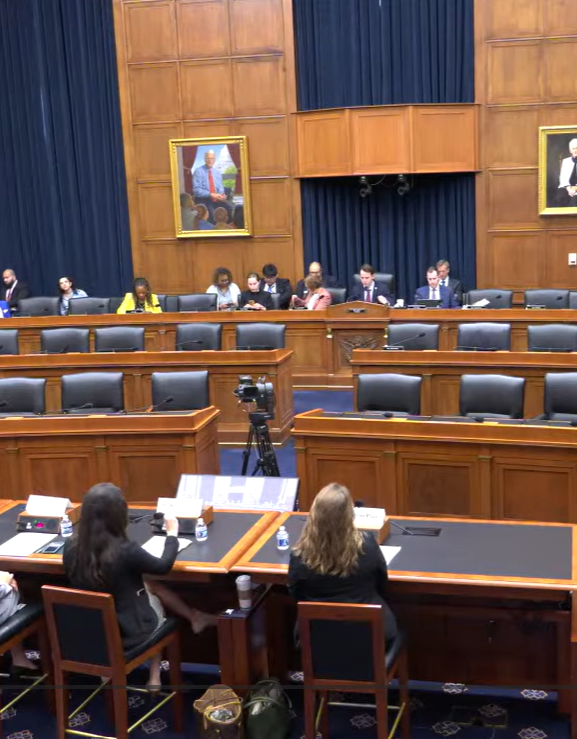
HEARING: House Education and Workforce Subcommittee Hearing Highlights Importance of Federal and State Partnership in Addressing the Child Care Crisis
The House Education and Workforce Subcommittee on Early Childhood, Elementary, and Secondary Education held a hearing on September 2, 2026 to highlight how states are leveraging federal, state, and local funds to address the pervasive need for affordable, quality child care.

Analysis: The Head Start NPRM
Upon initial review and analysis, this resource represents the proposed changes we believe require additional scrutiny or discussion, raise potential concerns, and could warrant official comment.