Maternal, Infant, & Early Childhood Home Visiting Program
Overview
The Maternal, Infant, and Early Childhood Home Visiting (MIECHV) program provides funding to pair families who have limited support and resources with trained home visitors such as nurses, social workers, and educators.
Home visitors meet with parents one-on-one from pregnancy through their child’s kindergarten entry to help lay the foundation for the health, education, development, and economic self-sufficiency of the entire family.
The program has been proven to help:
- Reduce maternal mortality and morbidity,
- improve infant and child health,
- improve school readiness,
- decrease incidence of child neglect, and
- promote family well-being and stability.
Current Funding Level: MIECHV is funded through FY2027 at the following levels – FY2025: $600 million; FY2026: $650 million; FY2027: $800 million
Top News and
Resources

MIECHV: Overview
The Maternal, Infant, and Early Childhood Home Visiting (MIECHV) program provides federal funds to states, territories, and tribal entities for voluntary, evidence-based home visiting services.

Learn About the Positive Impact of MIECHV in Your State
The Maternal, Infant, and Early Childhood Home Visiting (MIECHV) program provides federal funds to states, territories, and tribal entities for voluntary, evidence-based home visiting services. This program was reauthorized in …
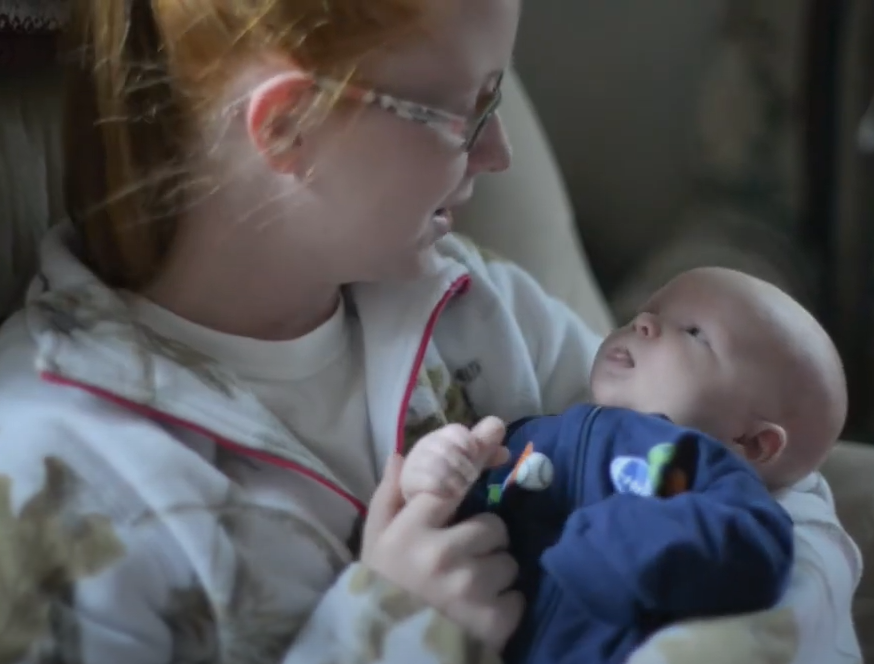
Video: Empowering Families: The Positive Impact of MIECHV and Voluntary Home Visiting
The Maternal, Infant, and Early Childhood Home Visiting Program (MIECHV) provides federal funds to states, territories, and tribal entities for voluntary, evidence-based home visiting services. Home visitors meet with parents …
Can’t find what you’re looking for? Contact our policy team directly at mail@ffyf.org for more info.