Factsheets
Posts

Cost Estimation Models: Increasing Child Care Stability Through More Accurate Provider Payment Rates
Cost Estimation Models allow states to better align provider payment rates with the actual cost of providing quality child care. This strengthens the workforce, enhances the quality of care children …

MIECHV: Overview
The Maternal, Infant, and Early Childhood Home Visiting (MIECHV) program provides federal funds to states, territories, and tribal entities for voluntary, evidence-based home visiting services.

Employer-Provided Child Care Credit (45F): Overview
The Employer-Provided Child Care Credit, also known as 45F, is one way to address the needs of both working parents and employers. Under 45F, employers receive a tax credit for …

Dependent Care Assistance Program (DCAP): Overview
Through flexible spending accounts, the DCAP exclusion gives parents flexibility to choose the type of care that best suits their needs — whether that’s a licensed child care center, home-based …

Child and Dependent Care Tax Credit (CDCTC): Overview
With the average annual cost exceeding $13,000 per child, millions of American families struggle to afford quality child care. The Child and Dependent Care Tax Credit (CDCTC) provides some financial …

Side-by-Side Analysis: Comparison of the 2025 Child Care Modernization Act to Current Law
The following is a summary of key revisions the bicameral Child Care Modernization Act would introduce to the Child Care and Development Block Grant Act of 2014. Among other changes, …
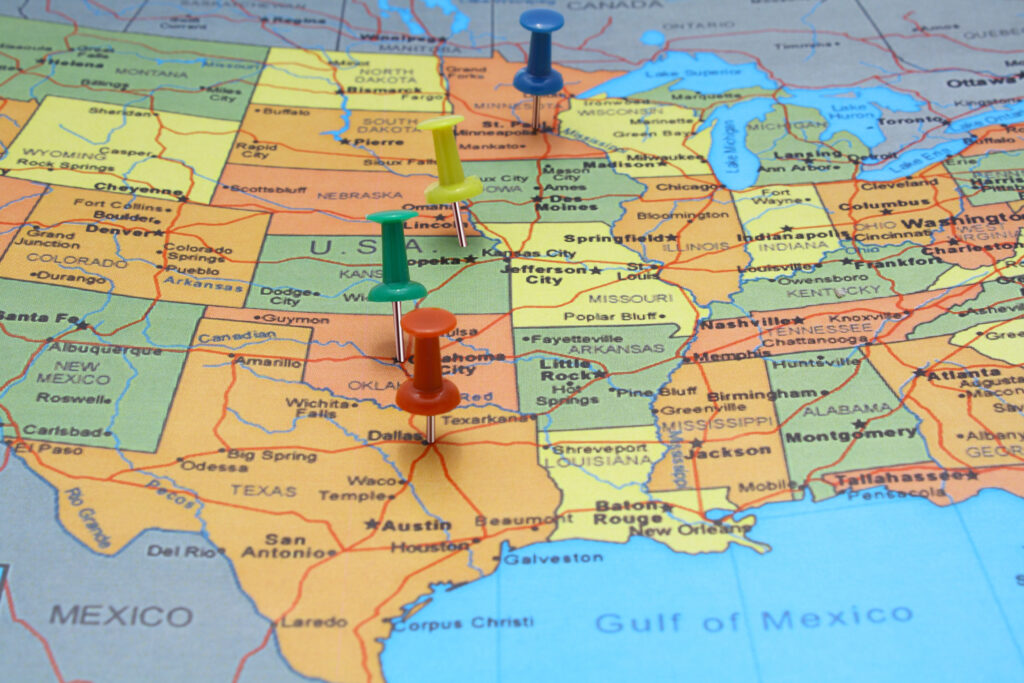
ANALYSIS: FFYF’s 2025 State Fact Sheets
FFYF’s 2025 State Fact Sheets show how federal investments in child care impact working parents, children, and the economy. These federal programs not only benefit families nationwide, they also serve …
In their own words: Members discuss child care in House Education and Workforce Committee Hearing
On June 24, 2025, the House Education and Workforce Subcommittee on Early Childhood, Elementary, and Secondary Education held a hearing to discuss how Congress can address child care availability and …

Polling Memo: Republican Support for Child Care Tax Policies
Polling conducted by Republican pollsters UpONE Insights on behalf of First Five Years Fund (FFYF) shows strong support for expanding child care-related tax credits. This is especially relevant as the …
2025: ABCs of Federal Early Learning and Child Care Funding Streams
Every year, millions of children who range in age from birth through five benefit from an array of federal early learning and care programs. While there are different early learning …

How a Lack of Affordable Child Care Impacts the Economy
Two-thirds of all children ages five and under need some form of child care because all of the adults in their home are working. But child care remains both expensive …

Total Federal TANF & State MOE Expenditures for Child Care and Early Learning
The Temporary Assistance for Needy Families (TANF) program provides federal grants to states to design and operate programs that help low-income families achieve self-sufficiency. TANF plays a crucial role in …
