Appropriations FY2027
Each year, Congress determines funding levels for federal programs that support the care and education of young children. These investments are essential for working families, early educators, and the healthy development of children ages five and under.
For FY2027, Congress should protect, prioritize, and expand these investments in programs including the Child Care and Development Block Grant (CCDBG), Early Head Start/Head Start, and the Preschool Development Grant Birth through Five (PDG B-5).
State
of Play
What’s Happening
Congress is currently determining funding levels for essential federal child care and early learning programs, including:
- Child Care and Development Block Grant (CCDBG): The largest source of federal funding for child care. Congress sets funding levels; states have flexibility in how funds support families and providers in their communities.
- Early Head Start/Head Start: Delivers comprehensive early learning, health, nutrition, and family support services for eligible children and their families.
- Preschool Development Grant Birth through Five (PDG B-5): Help states strengthen, align, and expand their early learning systems.
The Ask
In a letter, the child care community has asked Appropriators for these funding levels in FY27:
- CCDBG: Increase of at least $3.57 billion, for a total of at least $12.4 billion
- Early Head Start/Head Start: Increase of at least $1.91 billion for a total of at least $14.27 billion
- PDG B-5: At least $315 million
By the Numbers
Federal funding creates the foundation for child care and early learning in the United States.
- $31.30 billion: Annual federal funding (mandatory and discretionary) for child care and early learning programs.
- $15.36 billion: Annual state match spending for child care and early learning programs.
In a 2026 nationwide poll, voters across the political spectrum strongly support federal funding for child care and early learning. Nearly three out of four voters (74%) say federal funding for child care and early learning is a good use of tax dollars, including:
- 53% of Republicans
- 77% of Independents
- 93% of Democrats.
2026 TIMELINE
- March 17: FFYF’s hosts “FFYF’s ABCs of Federal Early Learning” briefing on the Hill for Members and staff.
- March 27: Deadline for House Dear Colleague letters in support of FY27 child care and early learning funding.
- March 25: The child care and early learning community sends Congressional appropriators a Community Letter calling for increased funding in FY27
- April 3: Expected release of the White House budget proposal
- June/July: Potential markup from Appropriators (with initial decisions on funding levels)
- September 30: End of the Fiscal Year. Congress must either pass a spending package by midnight, a temporary “Continuing Resolution,” or face a government shutdown.
Essential Reading
Resources
FFYF Capsule Collection: Fiscal Year 2027 Appropriations
A one-stop-shop collection of the top facts, resources, and data around the FY27 Appropriations process.

2026: ABCs of Federal Early Learning & Child Care Funding Streams
An overview of the top federal child care and early learning programs and how they are funded.

Federal Investments are the Foundation for State and Local Early Care and Education Programs
A deep dive into the ways federal funding undergirds the nation’s child care sector.

First Five Things to Know About: 2026 National Child Care Poll
Likely voters show overwhelming support for federal investments in child care and early learning.
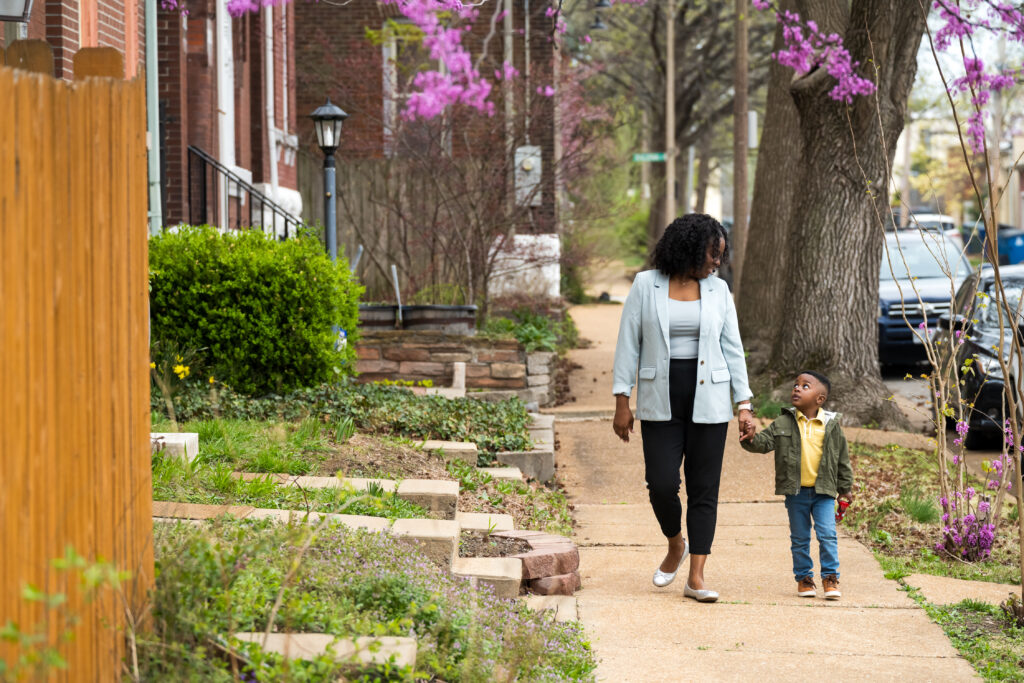
Video: The ABCs of Federal Child Care
This 2-minute video shows the ways federal child care and early learning programs work together to reach children and families
Funding for Key Early Learning Programs, FY2027
Each year, Congress determines funding levels for all of the federal defense and non-defense discretionary programs, including those that support the care and education of children from birth through age …
Letters
Lawmakers Show Record Support for Child Care and Early Learning Programs
An overview of the FY27 Dear Colleague letters with statistics on number of signers.
FY27 Early Learning and Child Care ‘Dear Colleague’ Letters
“Dear Colleague” letters are a key way for lawmakers to convey and generate support for child care and early learning programs.
FY2027: Community Letter to Appropriators Calls For increased Funding for Child Care and Early Learning
Signed by 87 organizations across 32 states, this letter outlines priorities for the FY27 Appropriations process.
Events
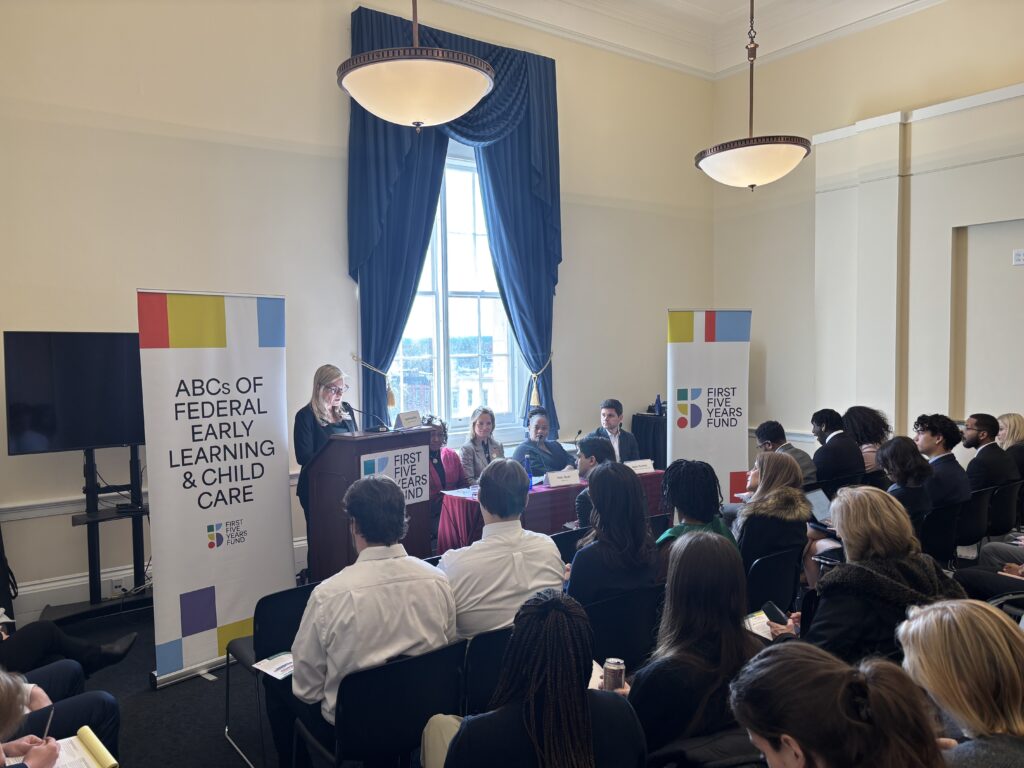
FFYF Hosts Bipartisan Child Care and Early Learning Briefing on Capitol Hill
FFYF was joined by providers, experts, and a bipartisan pair of Members of Congress in a briefing to highlight child care and early learning programs.
What you can do
Congress, please protect and prioritize child care and early learning funding in FY27 Appropriations packages. This includes strengthening and prioritizing investments in trusted federal child care programs including the Child Care Development Block Grant (CCDBG), Head Start & Early Head Start, and Preschool Development Grants Birth through Five (PDG B-5).