First Five Things To Know About: The Child Care Modernization Act

Parents need child care options that meet their family’s unique needs and support their child’s healthy development. Yet today, far too many working families struggle to find the affordable care they need.
The bipartisan, bicameral Child Care Modernization Act would help working families by strengthening the Child Care and Development Block Grant (CCDBG), the primary federal program that assists states in helping lower-income families afford child care.
The bill was introduced in the Senate on September 17, 2025 by Senators Deb Fischer (R-NE), Kirsten Gillibrand (D-NY), John Hickenlooper (D-CO), and Susan Collins (R-ME), with co-sponsors Senators Katie Britt (R-AL) and Mark Kelly (D-AZ). It was introduced in the House on June 9, 2026 by Representatives Ryan Mackenzie (R-PA), Susie Lee (D-NV), Ashley Hinson (R-IA), and Kristen McDonald Rivet (D-MI).
Here are the First Five Things to Know about the Child Care Modernization Act:

Working families with young children need help finding affordable, quality child care.
The average cost of child care today is more than $13,000 a year, by far the largest expense many families with young children face. Nine in ten Republicans (91%) think it’s a problem or crisis that Americans can’t find affordable child care, along with 91% of Independents, and 97% of Democrats.

The Child Care Modernization Act helps increase the supply of child care.
These grants would help providers expand the supply, quality, and capacity of child care. They also would help to fund the renovation, repair, and construction of child care facilities. This helps improve both the supply and quality of care, especially in high-need communities.

The Child Care Modernization Act would support child care professionals.
The bill would strengthen child care by working with states to implement a more accurate way of determining provider reimbursement, using “cost estimation models” to calculate provider payment rates (States would have five years to make updates.)

The Child Care Modernization Act would support a wide range of providers.
The legislation provides additional technical assistance to in-home and rural child care providers so they have the support they need, as well as directing the Department of Agriculture to remove some regulatory burdens that can restrict home-based child care providers in rural areas.

And the legislation supports working families.
Under the Child Care Modernization Act, states could serve more working families by expanding eligibility to those who may be struggling with the cost of child care but aren’t currently eligible for CCDBG. And the bill also continues to ensure parents can choose the type of child care setting that works best for them, including licensed child care centers, home-based providers, and faith-based programs.
The Bottom Line
The Child Care Modernization Act enables states to better address the growing child care needs of working families, providers, and employers. This bipartisan legislation strengthens and sustains the Child Care and Development Block Grant (CCDBG), which helps states offer essential child care support to hundreds of thousands of working families with young children.
By increasing the availability of quality child care in local communities, the bill ensures that parents have more options to meet their needs. It reinforces the existing CCDBG framework while laying the groundwork for future investments through the appropriations process, ensuring the program can continue to evolve and respond to the changing needs of families, children, and communities now and into the future.
Our Take
“Access to affordable, reliable child care is one of the biggest challenges facing working families. The Child Care and Development Block Grant (CCDBG) is a vital part of facing that challenge head on. We’re grateful to Senators Deb Fischer (R-NE), Kirsten Gillibrand (D-NY), John Hickenlooper (D-CO), and Susan Collins (R-ME) for their bipartisan leadership in introducing the Child Care Modernization Act. This legislation offers an important opportunity to strengthen and sustain CCDBG while also addressing child care needs in real time. This will help serve more families both now and in the future.” – Executive Director Sarah Rittling, First Five Years Fund
What They’re Saying
Multiple letters of support for the Child Care Modernization Act have been submitted from voices across the country (including employers, child care providers, health care workers, and parents) highlighting broad, bipartisan recognition of the importance of strengthening child care to support families, businesses, and the economy.
From Michigan’s W.E. John Institute for Employment Research
“Our analysis finds that the Child Care Modernization Act would support families, stabilize providers, and expand access, helping young children thrive while parents participate fully in the workforce.”
From a business leader in Virginia
“For Virginia businesses, supporting workforce participation means supporting solutions that help working parents remain employed and engaged in the economy. Access to affordable child care is a critical component of a strong workforce and a competitive regional economy.”
From a Georgia child care provider
“The Child Care Modernization Act would build on the program’s decade-long success by better enabling states to meet the growing child care needs of working families, providers, and employers. And that’s good for everyone.”
A health care provider from Arizona
“As an oncology nurse and mother, my days are defined by caring for others. The Child Care Modernization Act, a bipartisan bill, strengthens CCDBG and better equips states to meet our growing child care needs.”
An Arizona mom
“As a working mother of two daughters, I know how hard it can be to balance working shifts and being on call with the very real, daily stress of affording quality child care. Because of that, I am deeply grateful for the Child Care and Development Block Grant program.”
Supporters Include
- National Organizations
- First Five Years Fund
- Afterschool Alliance
- Bipartisan Policy Center Action
- Buffett Early Childhood Institute
- Chamber of Mothers
- Child Care Aware of America
- Early Care and Education Consortium (ECEC)
- Early Childhood Investment Corporation Foundation
- Executives Partnering to Invest in Children (EPIC)
- Fight Crime: Invest in Kids
- Home Grown
- Independent Restaurant Coalition
- KinderCare Learning Companies
- Learning Care Group
- Local Initiatives Support Corporation (LISC)
- Low Income Investment Fund (LIIF)
- Moms First
- Mission Readiness
- National Association for the Education of Young Children (NAEYC)
- National Association of Counties (NACo)
- National Head Start Association (NHSA)
- National Association of Women Business Owners (NAWBO)
- National Child Care Association
- National Children’s Facilities Network
- National Conference of State Legislatures
- Ready Nation
- Save the Children
- Start Early
- Third Way
- Tootris
- United Way
- U.S. Chamber of Commerce
- YMCA of the USA
- State Organizations
- Alliance of New York State YMCAs
- Children’s First PA
- First Five Nebraska
- Groundwork Ohio
- Michigan’s Children
- NC Early Childhood CoalitionSCAN Iowa
- Wisconsin Early Childhood Association
- Zero to Five Montana
Statements of support can be found here.
Learn More
- FFYF’s CCDBG overview provides an in-depth look at how CCDBG helps meet the needs of children, parents, and child care providers in all 50 states.
- The FFYF CCDBG state fact sheets show the reach, eligibility, and impact of CCDBG in all 50 states.
- These FY2026 Dear Colleague letters highlight Members of Congress from both parties who support prioritizing funding for CCDBG.
- Official press statement from Senate Offices: Fischer, Colleagues Introduce Bipartisan Bill to Expand Working Families’ Access to Child Care.
- Statements of support from organizations can be found here.
- And for a deeper dive into policy, FFYF has a side-by-side comparison of the Child Care Modernization Act and the current law.
Subscribe to FFYF First Look
Every morning, FFYF reports on the latest child care & early learning news from across the country. Subscribe and take 5 minutes to know what's happening in early childhood education.
Related

STATEMENT: First Five Years Fund’s Sarah Rittling in Opposition to Reported Expansion of Eligibility for Federal Child Care Subsidy
According to recent reporting in the New York Times, the White House is considering a new rule that expands eligibility of the federal child care subsidy program to now include married couples with one stay-at-home parent. This is a statement from First Five Years Fund Executive Director Sarah Rittling.
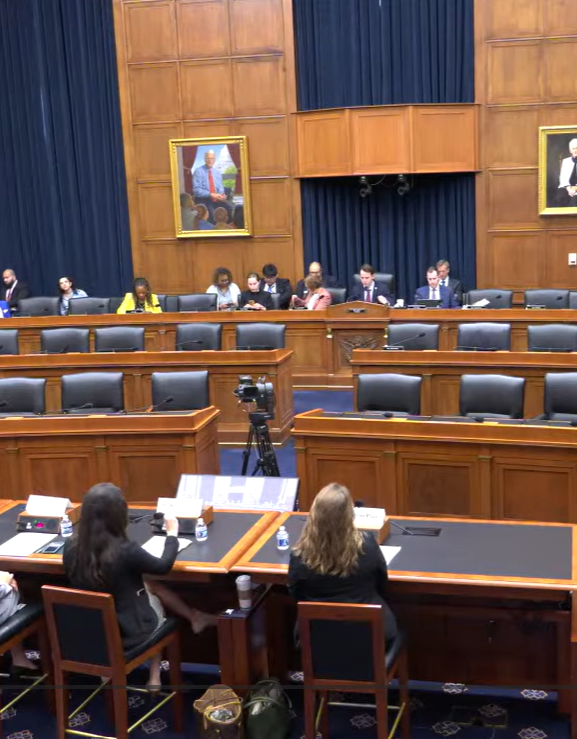
HEARING: House Education and Workforce Subcommittee Hearing Highlights Importance of Federal and State Partnership in Addressing the Child Care Crisis
The House Education and Workforce Subcommittee on Early Childhood, Elementary, and Secondary Education held a hearing on September 2, 2026 to highlight how states are leveraging federal, state, and local funds to address the pervasive need for affordable, quality child care.
State Of Play: The Head Start NPRMs (Rules and Regulation Changes)
As part of a “Child Care Reform Package” released on May 11, the Administration issued four separate policy actions: a Head Start Notice of Proposed Rulemaking (NPRM), the Child Care and Development Fund (CCDF) Final Rule, a Temporary Assistance for Need Families (TANF) Information Memorandum, and a CCDF Dear Colleague Letter.